Where Transport-Layer Performance Becomes a Business Result
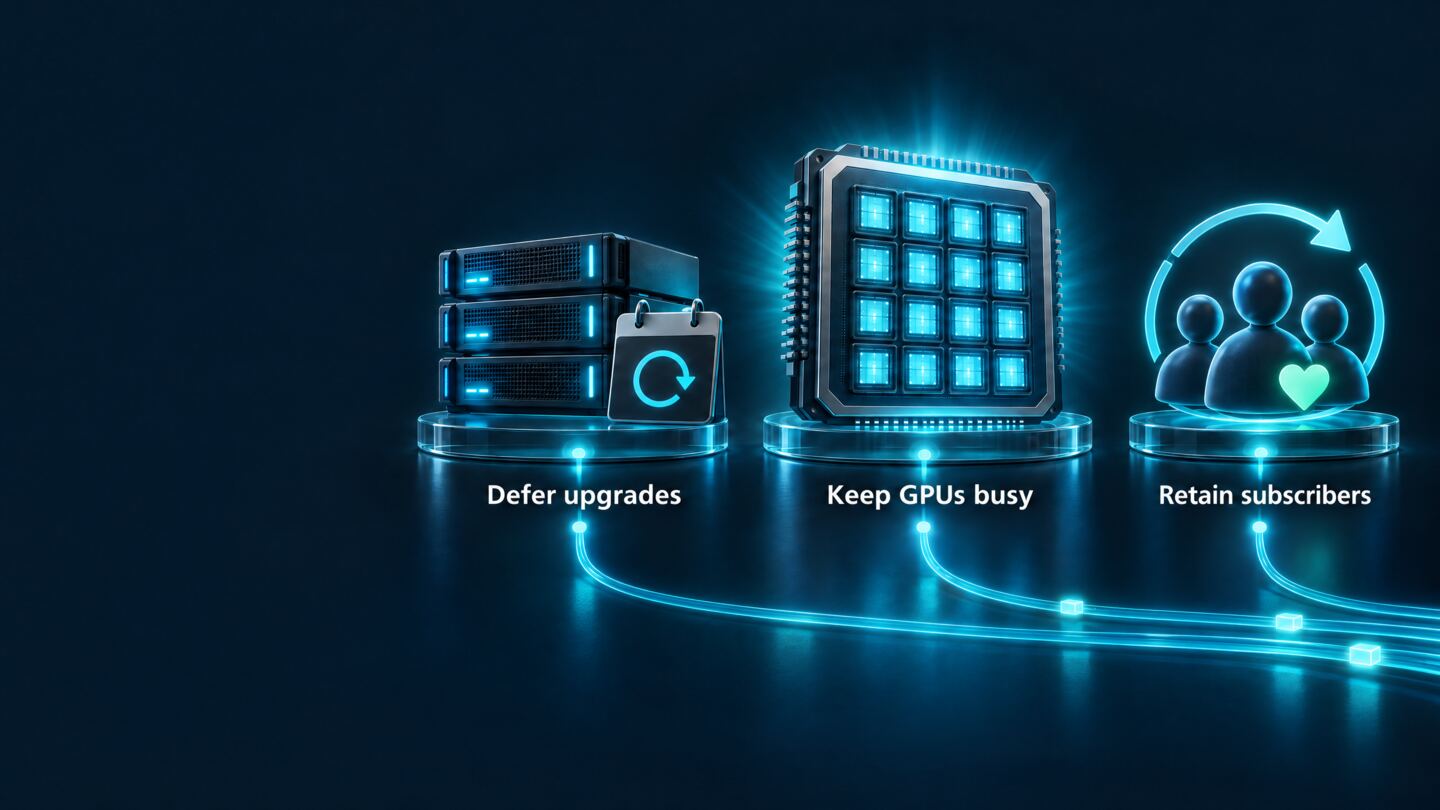
Transport-layer performance dominates every network. What differs is where the cost shows up — in unnecessary upgrades, in idle GPUs, or in subscriber churn. See what recovering that throughput is worth on networks like yours.
Choose Your Situation
Start with the scenario closest to your own infrastructure. Each one walks through the operator’s challenge, what WarpEngine™ changed and the measured result, so you can picture it in your deployment.
-
- Minimize Datacenter latency without replacing TCP
- Distribute workloads while eliminating top of rack (TOR) fan-in bottlenecks
- Complete short messages faster
- Retain short-message performance during large data transfers
-
- Avoid AI fabrics and GPU upgrades that can't fix transport bottlenecks
- Reduce cost and inference times
- Optimize GPU workloads across cloud and on-premises environments
- Optimize workload routing to hot cached contexts
-
- Fight churn by having the best customer UE experience
- Cut subscriber support costs 20% and extend device battery life up to 30%
- Defer expensive upgrades with more throughput from current infrastructure
- Leverage cell sites for edge AI and other new low-latency services
-
- Boost throughput up to 8X without adding network capacity
- Deliver more of the speeds subscribers pay for across fiber, wireless, satellite and long-haul links
- Cut support costs and monetize existing capacity previously lost to jitter-induced throughput reduction
-
- Move backups, file transfers and cloud syncs faster over your existing WAN and internet links
- Keep video calls and remote desktops smooth while big uploads run in the background
- Get more out of your current bandwidth before paying for network upgrades